San Diego Workers’ Comp: When the Insurer Disputes Your Doctor
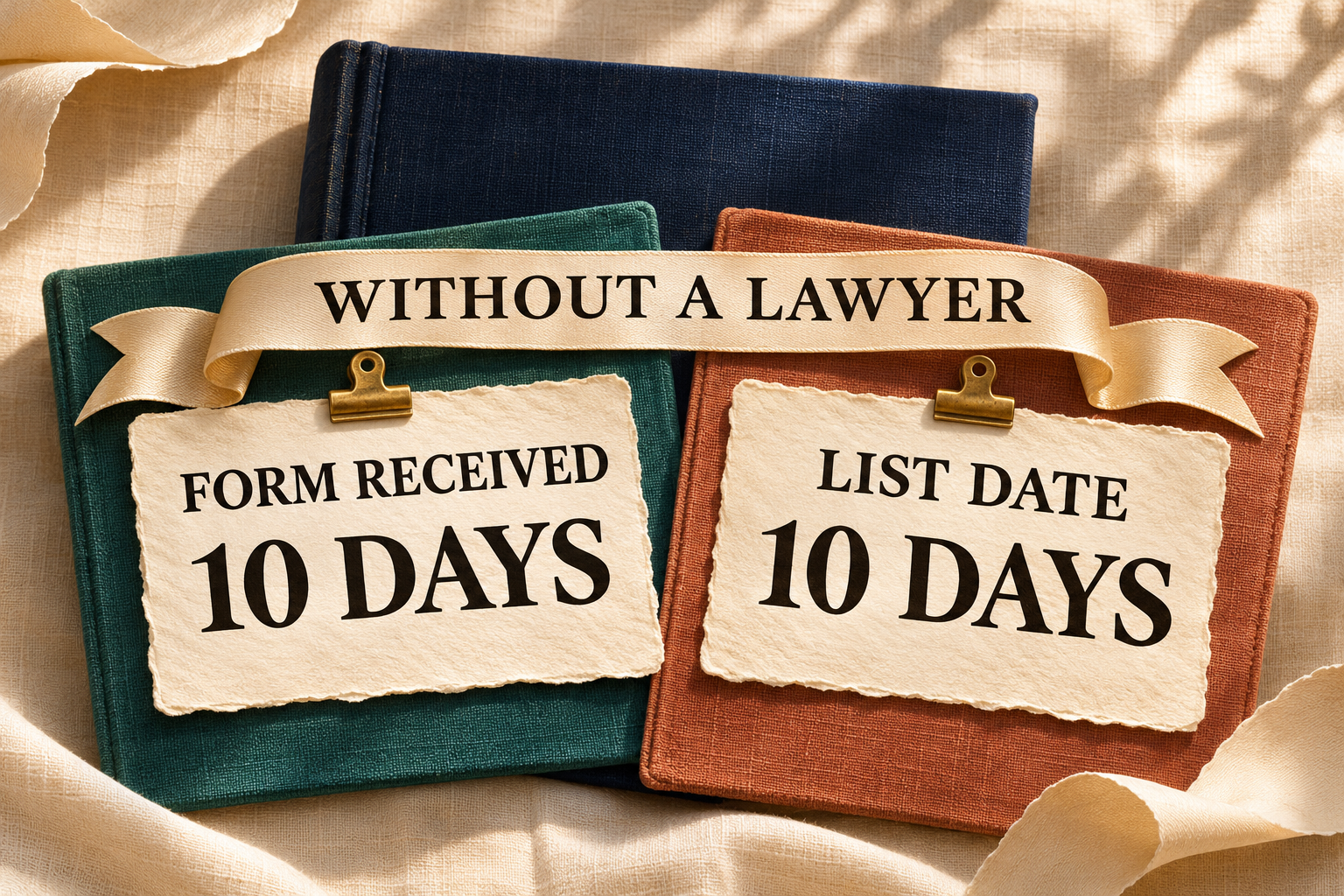
Hurt at work in San Diego County or Imperial County? For every city listed below, from Oceanside to El Centro, DWC’s ZIP-code locator names the San Diego district office on Metropolitan Drive. Suppose the claims administrator disagrees with your treating doctor about whether the job caused the injury, whether you can work or how lasting it is. The usual next step is a qualified medical evaluator, and for a worker without a lawyer, the first deadline in that process is 10 days.
The San Diego office and the area it serves
The San Diego district office is at 7575 Metropolitan Drive, Suite 202, San Diego. It is a state workers’ compensation court with an Information & Assistance Unit and a Disability Evaluation Unit. Sign-in sheets are near the reception window, documents can be date-stamped and filed at the reception desk, and parking in front of the building is free. Court sits in a morning session (8:30 a.m. to noon) and an afternoon session (1:30 to 5 p.m.) on weekdays.
On November 12, 2026, DWC’s ZIP-code locator listed San Diego for San Diego (92101), Chula Vista (91910), El Cajon (92020), Escondido (92025), Oceanside (92054) and Vista (92081), and for El Centro (92243) in Imperial County. Filing venue is a separate question. Labor Code section 5501.5 gives residence and injury-location options and, for represented workers, an attorney-office option subject to the employer’s objection. The law also covers written consent where a county has more than one office and nearest-office alternatives where a permitted county has none. Our WCAB venue guide explains those choices; use the office named in your existing case notices.
When a QME decides, and when IMR does
A qualified medical evaluator is a doctor certified by DWC’s Medical Unit to write medical-legal reports. DWC’s QME fact sheet lists the disputes a QME or AME addresses, including whether work caused the injury, whether you need to stay off work, whether your condition is permanent and stationary and what the permanent disability rating should be. If you have a lawyer, both sides may agree on an evaluator instead; that doctor is an agreed medical evaluator, or AME, and AMEs are used only when the worker is represented.
Treatment disputes take a different road. For injuries on or after January 1, 2013, and since July 1, 2013 for every date of injury, a dispute over whether recommended treatment is medically necessary, after utilization review denies, delays or modifies it, goes to independent medical review, not to a QME. DWC’s FAQ says a QME may not comment on a request for medical treatment. Read the letter first: A utilization-review decision about medical necessity points to IMR, and a dispute about causation, work status or disability points to the QME process. DWC says a denial of liability must be resolved before IMR can proceed. While a claim is still being investigated and liability has not been denied, IMR remains available during the first 90 days after the claim is presented for treatment costs up to $10,000.
Two 10-day deadlines that decide who picks the doctor
For a worker without a lawyer, DWC describes two 10-day deadlines. The first is the request. You can ask for a panel yourself, for example when a claim is denied or you disagree with your treating doctor. If the claims administrator disputes something and sends you the QME panel request form, you have 10 days to complete it, choose the medical specialty and send it to the DWC Medical Unit. Miss that window and the claims administrator submits the request and chooses the kind of doctor you will see. Whoever submits the form picks the specialty.
The second deadline is the choice. The Medical Unit sends a panel of three randomly selected QMEs in the requested specialty. Labor Code section 139.2 calls for assignment within five working days. If no panel is assigned within 20 working days, it gives the worker the right to obtain an evaluation from a QME of their choice within a reasonable geographic area.
Within 10 days after the panel is issued, you must choose a doctor, arrange the appointment and tell the claims administrator your choice and appointment date. If you do not report your selection within 10 days, the claims administrator may select the doctor. If you report your choice in time but have not made the appointment, the claims administrator arranges it. Under QME rule 30, the selection and appointment clocks pause when the Medical Director asks for information needed to resolve the panel request, until a new panel or a decision issues. Once a QME is chosen, DWC’s QME fact sheet says most disputes must go to that doctor, and its permanent disability fact sheet says the employer pays for the exam.
Ask your treating doctor if you are not sure which specialty fits the injury, as DWC’s I&A guide 2 suggests. A wrong specialty can produce a report that does not answer the real question. Our analysis of a treating-doctor objection and a QME panel shows why timing matters when the two collide.
After the QME report arrives
DWC’s QME fact sheet advises using the 30 days after receiving the report to decide whether you agree with it or need more information. Read it right away. Check the history it recites, the job duties it describes and every body part you claimed. If you have a lawyer, talk about your options; if you do not, DWC suggests calling the claims administrator first and then an I&A officer at the district office.
For a worker without a lawyer, a QME report on permanent disability can lead to a summary rating from the Disability Evaluation Unit, which has its own 30-day objection window; our San Bernardino rating guide covers that step.
Prepare for the exam
DWC’s panel letter explains how to set up the appointment and how to give the QME important information about yourself. Use it. Give an accurate history, including earlier injuries and symptoms, and a job description that matches what you actually did. If you need an interpreter, arrange it in advance; our guide to interpreters at QME exams covers how. Keep a record of the drive to and from the exam for mileage reimbursement, and if something forces you to miss the appointment, read our guide to a missed QME appointment before you call.
Papers to gather
- The letter disputing your doctor, and any QME panel request form with the date you received it
- The QME panel list, with its printed date, and your appointment confirmation
- Your treating doctor’s reports and work-status notes
- Any QME or AME report, and the date it arrived
- Your ADJ case number and office, if a case exists
Sources
- Labor Code section 4062.1: medical evaluation for workers without an attorney
- Labor Code section 139.2: QME panel assignment
- QME rule 30: panel requests and time periods
- DWC Fact Sheet E: QMEs and AMEs
- DWC I&A guide 2: requesting a qualified medical evaluation
- DWC independent medical review
- DWC San Diego district office
Have Your San Diego QME Dispute Reviewed
Mishra X Trial Lawyers can review the letter disputing your doctor, check the panel request and the specialty before the deadlines pass, analyze the QME report when it arrives and prepare the medical dispute for a workers’ compensation judge at the San Diego office. Bring the panel form and list with their dates and your treating doctor’s reports. Read more about our California workers’ compensation practice.
Call (949) 343-9735 or email office@mishrax.com to schedule a consultation.