An Off-Duty Workout Injury: Proving What the Fire Department Expected
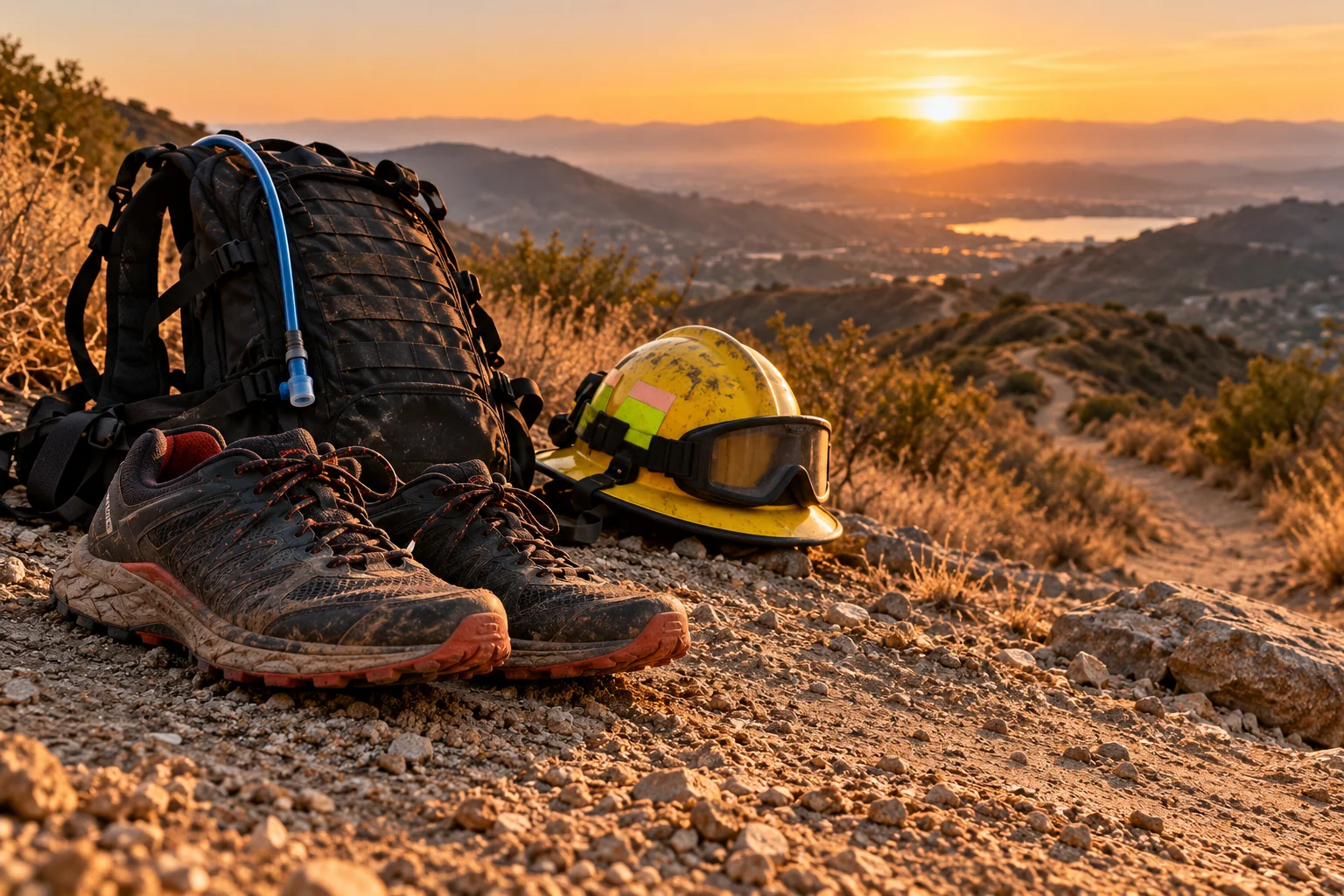
An injury during an off-duty workout is not covered simply because fitness helps someone do a demanding job. For a firefighter, the stronger inquiry is whether the specific activity was a reasonable employment expectation or was expressly or impliedly required. Preserve what the department communicated, what the worker understood and how the exercise connected to actual duties.
The difference between a personal preference and an employment expectation often appears in ordinary records: Training instructions, supervisor discussions, fitness policies and the department’s treatment of similar activity. Those records deserve attention alongside the medical evidence.
Identify the activity precisely
Describe the exercise being performed when the injury occurred. Trail running, pickup basketball and a particular gym routine should not be grouped under an undifferentiated label of fitness. Note the terrain, duration, purpose and any upcoming race or personal goal. A complete account includes facts that may support a personal explanation as well as an employment one.
Labor Code section 3600(a)(9) generally excludes injuries from voluntary off-duty recreational, social or athletic activity outside work duties, subject to its reasonable-expectancy and express-or-implied-requirement exceptions. Under the test applied in Ezzy v. Workers’ Compensation Appeals Board, 146 Cal. App. 3d 252, 260 (1983), the worker’s belief that participation was expected must also be objectively reasonable. A sincere belief alone does not finish the analysis.
Connect the workout to a communicated expectation
Preserve fitness policies and training materials that the worker actually received. Identify supervisors who discussed off-duty conditioning, the activities discussed and approximately when those conversations occurred. Ask whether the supervisor knew about the specific routine and explained its relationship to the department’s operational needs. General praise for healthy employees may carry less weight than evidence addressing the actual exercise.
In Larson v. Moraga Orinda Fire District, No. ADJ17881925 (WCAB July 29, 2024), trail running was linked to wildfire work on steep, changing terrain. The captain knew about the worker’s trail runs, discussed fitness with the unit and testified about the need for off-duty training. The Board relied on that concrete record in affirming compensability. Larson, slip op. at 2–4.
Include the evidence that cuts the other way
Do not omit available on-duty exercise time, department equipment, access to facilities or the absence of a prescribed off-duty routine. In Larson, the employer supplied exercise time and equipment, and the worker was registered for a trail race. Those facts did not automatically defeat the claim, but they were part of the dispute. Another worker’s different policy, activity or testimony may produce another result.
For example, a written policy approving certain conditioning activities may matter differently from a general direction to remain fit. A worker who selected an activity specifically excluded by the employer faces a different evidentiary problem from one whose supervisor knew and encouraged the established routine. Preserve the policy version in force when the injury happened; do not reconstruct it from a later handbook.
Prepare a record, not a conclusion
A concise chronology should explain the worker’s training background, actual duties, department communications, regular exercise routine and injury event. Identify what each witness personally knows. Separate direct statements from assumptions and from reports about another employee’s claim. A coworker’s accepted injury can be relevant to expectations without making every similar claim payable.
Mishra X’s analysis of the Larson panel decision traces both sides of the dispute. The practical lesson is to document the specific employment connection. The decision is persuasive and fact-dependent; it does not create blanket coverage for firefighters’ off-duty sports or workouts.
Practical steps for workers assembling the fitness record
- Preserve the handbook and fitness instructions in effect on the injury date. A later policy may explain a change, but should not silently replace the version the firefighter actually received.
- Identify a supervisor who can explain the relationship between the particular workout and actual assignments. Record the witness’s own observations separately from what the worker inferred or heard from someone else.
- Prepare a balanced chronology that includes personal race plans, available on-duty conditioning, the injury location and the purpose of that day’s exercise. Those facts allow a California claim review to test both the worker’s belief and its objective basis without treating occupation alone as the answer.
Questions about this issue
Is every firefighter workout covered?
No. The statutory inquiry concerns the specific activity and whether it was reasonably expected or required by the employment.
Does my own belief finish the inquiry?
No. Under the test applied in Larson, the worker’s belief that participation was expected must also be objectively reasonable.
Can on-duty exercise facilities matter?
Yes. Preserve available exercise time and equipment along with evidence supporting off-duty conditioning; the full record matters.
Read the primary source: Larson v. Moraga Orinda Fire District — filed order PDF.
Review the department’s fitness expectations with Mishra X
Mishra X Trial Lawyers can help assess the available procedure using your specific documents. Call (949) 343-9735 or email office@mishrax.com.