Construction, Warehouse or Factory Injury? Preserve the Actual Work Account
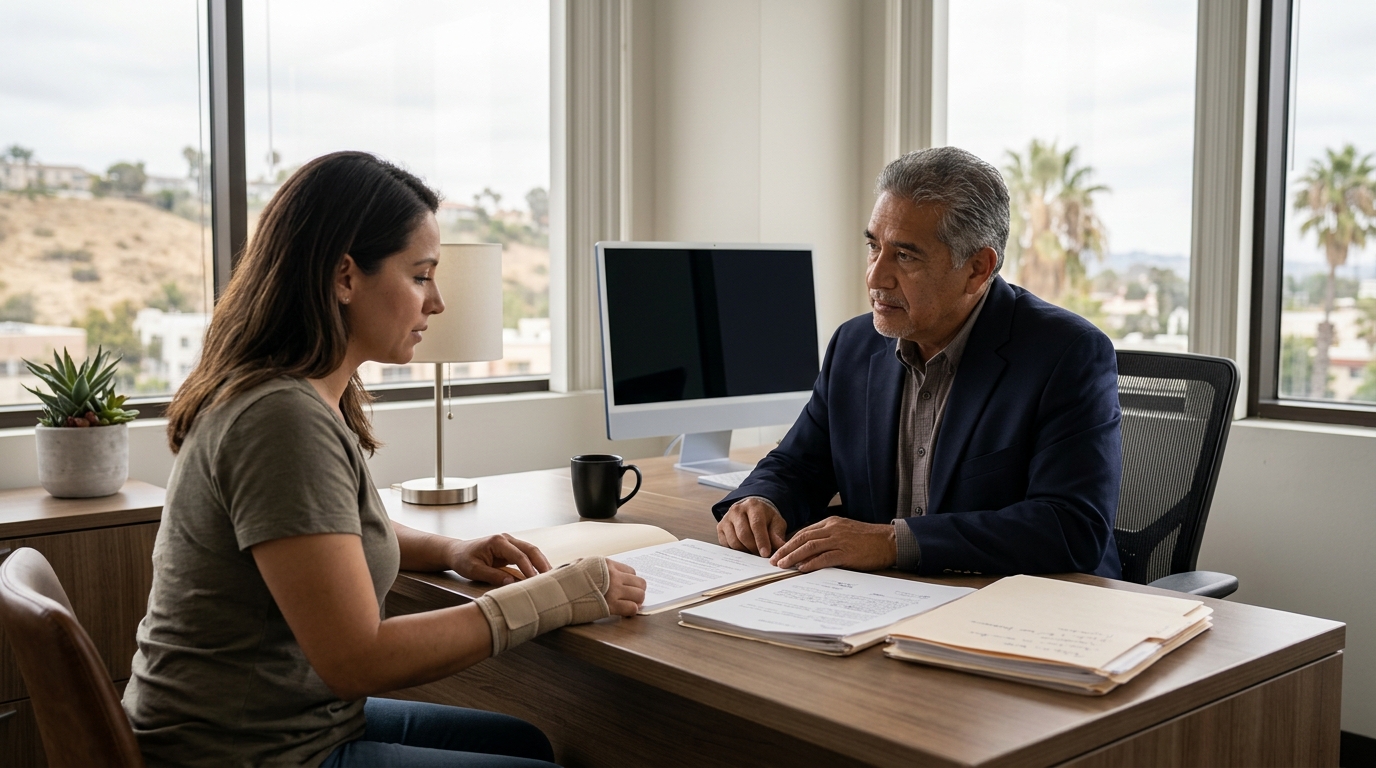
Preserve task, equipment and witness details, then identify differences between the incident report, first medical history and later account.
A warehouse injury can leave three different accounts: The incident report, the first medical history and the supervisor’s later description. A construction or factory injury can add equipment and contractor records. Preserve those accounts while the work setting is still clear. A job title alone rarely explains the task that hurt you.
This guide focuses on reconstructing the actual work activity in construction, warehousing and manufacturing. A delivery job, a machine assignment and repeated lifting leave different evidence. Record what you know, identify what you cannot confirm and avoid collecting confidential material you are not entitled to take.
Get needed medical care and report the injury promptly. Then separate immediate facts from later explanations: What task were you assigned, who was present, what equipment was used, and what changed? The DWC injured-worker guide explains the basic reporting steps.
Connect the Work Account to the Disputed Benefit
The same work account may inform several benefit questions. A lifting restriction can affect the return-to-work discussion; dates of actual missed work can matter to wage replacement; a treatment request presents a different question from permanent impairment. Preserve the doctor’s written restrictions rather than assuming that the injury label answers all three.
Check which gap in the work record the administrator is questioning:
- Medical Treatment Disputes: Disagreements regarding necessary medical procedures, specialist referrals, or utilization review determinations made by insurance carriers.
- Wage Interruption and Delay: Interruptions in temporary disability payments while insurance carriers review medical reports or investigate job duties.
- Permanent Impairment Ratings: Determining whether an injury has stabilized—referred to as maximum medical improvement—and calculating the precise permanent disability percentage.
- Scope of Employment Questions: Denials based on carrier arguments that an injury occurred outside the normal course of job duties or stemmed from non-work activities.
Preserve the Details Your Work Setting Leaves Behind
Ask what evidence describes the task rather than just the industry. Keep a lawful photograph’s original date, identify the person who wrote an incident report and note whether a witness saw the event or only heard about it afterward. These distinctions help a doctor or attorney assess the account without manufacturing certainty.
Construction and Warehouse Accidents
For a fall, struck-by event or lifting injury, note the location within the site, assigned task, equipment or load, and the sequence immediately before symptoms. Identify the supervisor and witnesses, including whether they worked for a different contractor. If equipment or a recording may change or disappear, tell counsel promptly; do not enter a restricted area or remove employer property to preserve evidence.
Industrial and Manufacturing Environment Hazards
For a machine or production-line event, distinguish normal operation from what changed: A jam, new material, different tool, altered pace or unexpected movement. Preserve instructions and messages already lawfully available to you. Report the symptoms and mechanism to the treating professional without diagnosing a guard defect or assigning fault you cannot verify.
Repetitive Stress and Cumulative Trauma Claims
For repeated tasks, record representative cycles, force, posture, shift length and changes in assignment. Separate a later sudden event from the earlier task history. Your doctor needs an honest account of prior symptoms and other work too. A gradual condition is not proved merely by calling it repetitive stress; the employment connection still needs medical assessment.
Compare the Denial With the Actual Assignment
If a denial says the event occurred off duty or the symptoms predated the job, compare that statement with the actual schedule, assignment and medical history. Identify a specific discrepancy and its source. A disagreement about medical necessity of requested care is different; the DWC IMR guidance explains that review path.
A legal review can identify which records may need formal preservation or production and which question the doctor has not answered. Bring original notices and the existing records, including unfavorable or inconsistent accounts. An attorney can assess a discrepancy; deleting it from your own file does not resolve it.
Frequently Asked Questions
What initial steps are required after suffering a workplace injury in California?
Obtain needed care and report the injury promptly. Describe the task, not just the job title. Save the initial incident account and restrictions, and note who witnessed the event. Do not delay emergency treatment to gather evidence.
Why do insurance carriers delay or deny workplace injury claims?
Read the stated reason. Missing task details, a disputed schedule or a different medical onset history may call for different evidence. A delay letter is not a final denial, and neither letter should be ignored while you collect information.
How are permanent disability benefits evaluated?
An evaluator’s impairment assessment is part of the process, not the final legal disability rating. The DWC disability explanation describes the roles of the physician and rating calculation. Preserve the work-duty description supplied to the evaluator, because a generic title may omit the real physical demands.
Resolve Differences Between the Accounts
Keep the event account, assigned duties, witness information and medical history consistent with the facts you can support. Where accounts differ, identify the difference and its source. That is more useful than a generic assertion that construction or warehouse work is dangerous.
Speak With Mishra X Trial Lawyers
Mishra X Trial Lawyers can review an incident account, work assignment and medical history when an administrator disputes how a California workplace injury happened. Learn about our workers’ compensation practice.
Call (949) 343-9735 or email office@mishrax.com to schedule a consultation.