After a California Work Injury: What to Record and What to Ask
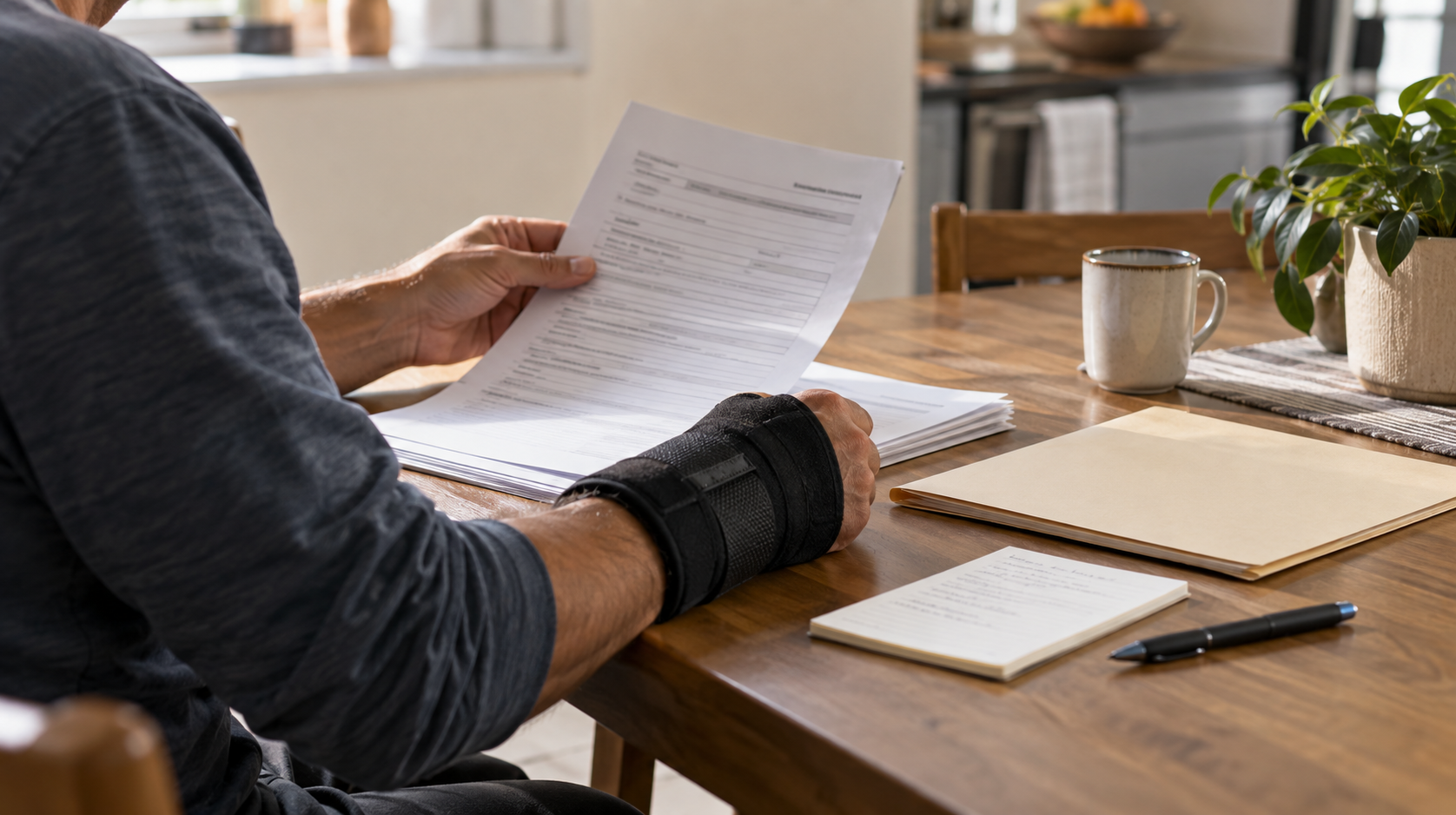
A worker-focused checklist for preserving the claim form, medical records, work restrictions, pay history, and decision letters.
A work injury can produce several urgent problems at once: getting care, missing pay, explaining restrictions to an employer, and trying to understand letters from a claims administrator. The most useful first step is a reliable record of what happened and what was actually submitted. This guide is organized around the decisions an injured worker and family must make while a California workers’ compensation claim is pending, rather than around litigation terminology.
What to do first after a work injury
Tell a supervisor about the injury as soon as possible. If symptoms developed gradually, report the condition when you learn or believe the job caused it. Seek appropriate medical attention and give an accurate history of the work activity, symptoms, and dates. Ask the employer for the DWC 1 workers’ compensation claim form, complete the employee portion, deliver it, and keep a copy showing when and how the employer received it. The California DWC injured-worker page explains this sequence and cautions that delay in reporting can jeopardize benefits.
If the employer does not hand you the form, the DWC forms page provides one. Write down whom you notified, when, and what you said. A text or email may help establish notice, but it does not replace preserving the completed claim form. Keep copies of both. If you cannot work, ask your treating professional to state the restrictions and expected follow-up in writing rather than relying on a verbal description alone.
Keep four small record folders
First, keep the claim folder: the DWC 1, employer copy, claim number, insurer or administrator name, and every acceptance, delay, or denial letter. Second, keep the care folder: visit summaries, diagnoses, work-status reports, referrals, treatment requests, and letters approving or declining care. Third, keep the work-and-pay folder: schedules, pay statements, missed shifts, offered modified work, and written communications about restrictions. Fourth, keep the contact log: date, person, phone or email, issue discussed, and the next promised step.
These folders answer different questions. The claim folder shows what the administrator decided; the care folder shows what treatment was requested and why; the work-and-pay folder shows the effect of restrictions; and the log helps reconcile missed calls or changing explanations. Preserve the original letters and medical records. A summary written later is helpful, but it should never replace the documents themselves.
While the claim is being investigated
Filing a completed claim form does not guarantee immediate acceptance. California’s DWC explains that, during the investigation, reasonable medical treatment for the claimed injury must be authorized up to the statutory limit, subject to applicable treatment rules. If no acceptance or denial is issued within 90 days after the completed form is given to the employer, a rebuttable presumption may apply. This is not an automatic settlement or a promise that every requested benefit is owed. See the DWC employee FAQ and DWC 1 notice.
Put the date the employer received the form on a calendar, and separately note the injury-report date, first appointment, treatment authorization, and every decision letter. If the administrator asks for a statement or records, retain the request and your response. When a letter arrives, save the envelope or electronic delivery record, read the reason given, and note any stated response deadline. The date and wording of the letter may matter more than a general recollection of a phone call.
Track treatment and work restrictions together
Ask the treating professional for copies of the work-status report after each visit. Compare the written restrictions with the tasks the employer offers. Record any change in hours, pay, or duties and tell the treating professional about work that aggravates symptoms. If a treatment request is denied or changed, obtain the utilization-review letter and identify whether the reason is medical necessity or a dispute about whether the injury or body part is covered. The DWC explains the independent medical review process for certain medical-necessity denials; it is not interchangeable with every other claim dispute.
For a gradually developing condition, preserve a simple account of the repeated tasks, shifts, tools, physical demands, and when symptoms were first noticed. Avoid filling gaps with guessed dates. If you are unsure, say so, and look for schedules, messages, or medical entries that may help. A consistent factual chronology is useful even when the final legal characterization remains open.
If a denial or conflicting decision arrives
Read the exact reason before deciding what to challenge. A denied underlying claim, a treatment request denied for medical necessity, and a disagreement over wage-loss or permanent-disability benefits call for different records and may have different review procedures. The DWC’s claim-denial page explains that a worker may challenge a denied claim and may file an Application for Adjudication of Claim to open a case at the WCAB. It also identifies the Information and Assistance Unit as a resource. Do not wait for a generic “appeal” form without identifying the decision and its deadline.
When meeting counsel or the DWC Information and Assistance Unit, bring the four record folders and a one-page timeline: injury or onset, notice, claim-form delivery, first treatment, work restrictions, each administrator letter, and the current unanswered question. For example, “My claim was denied because the administrator disputes that the injury happened at work” is more actionable than “my benefits stopped.”
Questions to prepare before asking for help
- What injury or condition is claimed, and what work activity do you believe caused or aggravated it?
- When did you tell the employer, and when was the completed DWC 1 actually delivered?
- Which body parts and periods appear in the medical records, and are any missing from the claim form or letters?
- What care has been requested, approved, delayed, or denied, and what reason does the written decision give?
- What written work restrictions apply, what modified work was offered, and what pay was lost?
- What exact issue needs a decision now, and is there a notice with a response deadline?
Frequently asked questions
Is telling my supervisor enough to file the claim?
Notice is important, but keep a separate record of the completed DWC 1 and when the employer received it. The form starts the formal claim process and helps establish the investigation chronology.
What if I cannot remember an exact date for gradual symptoms?
Do not guess. Record what you know, when you learned or believed work was involved, and the work tasks and medical visits that can help reconstruct the history. A clinician and counsel can assess how the facts fit the legal definition.
Does a denial mean I have no options?
No. Keep the written denial and its stated reason. California DWC describes procedures for challenging a denied claim and identifies its Information and Assistance Unit as a starting resource. The correct next step depends on what was denied and when the notice was served.
Make the next decision from the actual record
For workers and families, the immediate application is to keep the claim form, medical and work-status records, pay records, and decision letters in separate, dated groups. Match every question to the letter or document that created it. That preparation helps a worker understand the next step without treating every delay, denial, or treatment disagreement as the same event. The DWC Information and Assistance Unit offers public help, and a lawyer can review the particular record and deadlines.
Speak With Mishra X Trial Lawyers
If you were injured at work, Mishra X Trial Lawyers can review your claim, identify potential issues, and explain the options that may be available under California law. Learn more about our related services.
Call (949) 343-9735 or email office@mishrax.com to schedule a consultation.