WCAB Says Requests for Electronic Witness Testimony Should Be Heard on the Merits
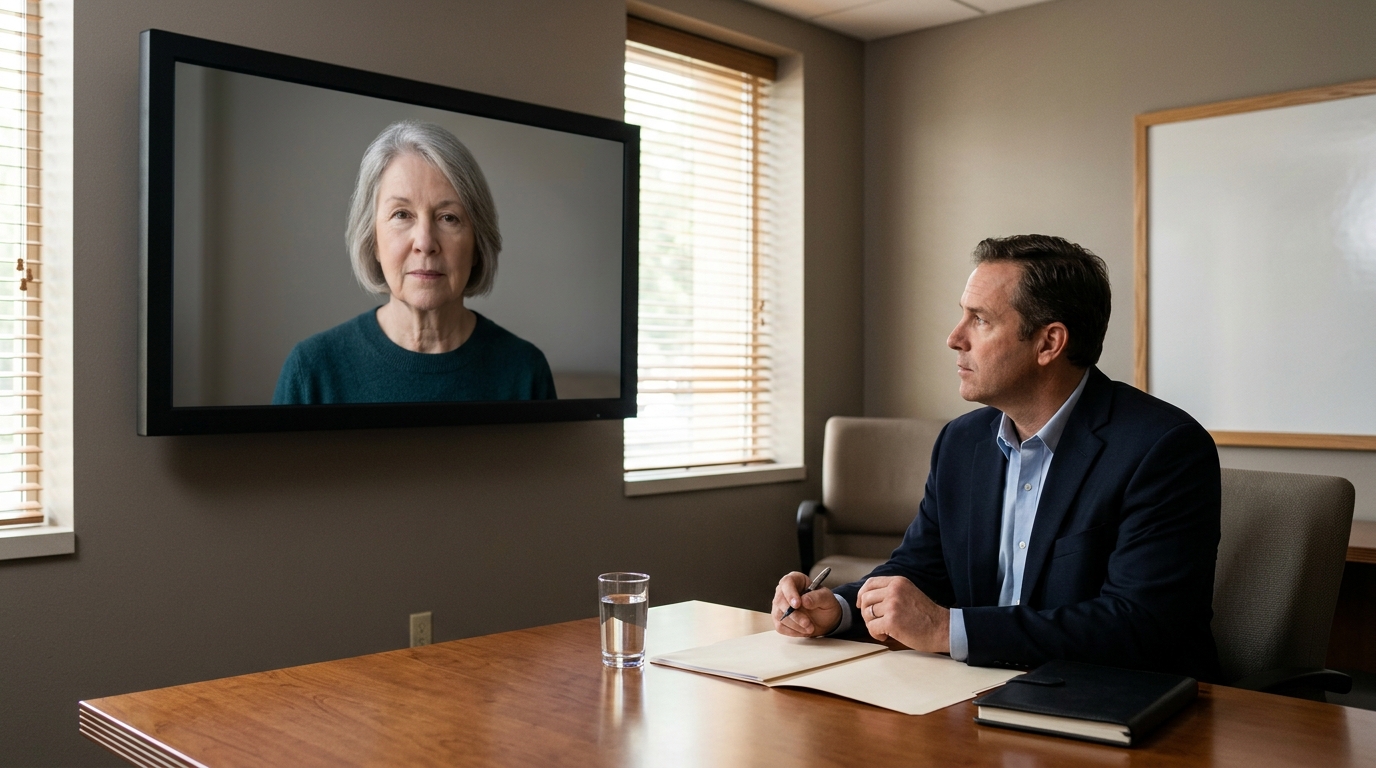
A Board order granting reconsideration can sound like a final win. In Perez v. Chicago Dogs, it was not. The employer obtained further review after its remote witness was excluded, but the WCAB expressly deferred the final merits decision. For an injured worker, the important distinction is between a fair opportunity for both sides to present evidence and a final finding that the employer is subject to California’s authority or owes benefits.
Read the WCAB en banc order.
A Baseball Claim and a California Jurisdiction Dispute
Tyson Perez alleged cumulative injury during a professional baseball career that included employment with the Houston Astros and Chicago Dogs. The WCJ found California personal jurisdiction over the Chicago Dogs based in part on recruitment contacts with Perez while he was in California.
The team sought to rebut the recruitment contacts through its chief operating officer. The judge excluded a written statement after objections about discovery and cross-examination, and separately refused telephone testimony because no formal prehearing petition had been filed. The team sought reconsideration. This was a dispute over the evidence bearing on California’s authority over the employer, not a final decision establishing the worker’s injury or benefits. Perez, August 12 order, pages 1–5.
WCAB Rule 10817 and the Request for Remote Testimony
WCAB Rule 10817(a) calls for a petition showing good cause when a witness intends to testify electronically. The Board explained that requests in workers’ compensation proceedings should be read for their substance rather than rejected merely for using the wrong label. That principle protects a fair hearing; it does not mean any late request must be granted.
The Board’s preliminary conclusion was that an on-the-record request at the beginning of the hearing, with an opportunity for other parties to respond, may satisfy the petition requirement. It also explained why a witness’s inability to attend in person can implicate a fair opportunity to present evidence. The August 14 correction changed the cited subdivision to Rule 10817(a); it did not convert the order into a final ruling on the underlying dispute. Perez, August 12 order, pages 10–12, and August 14 correction, page 2.
Due Process Requires a Meaningful Opportunity to Present Evidence
A fair WCAB hearing includes the ability to call and cross-examine witnesses, inspect exhibits, and offer rebuttal evidence. The Board explained that a request for electronic testimony should not be denied without an opportunity to be heard and an adequate record for review.
For the worker opposing the employer’s witness, the right to cross-examine still matters. Allowing a request to be heard is not the same as accepting the witness’s account as true. The worker’s testimony about recruitment contacts and the employer’s proposed rebuttal concern facts the decision-maker must evaluate on a proper record. Neither the remote format nor the fact of further review answers who is credible. Perez, pages 7–12.
The Board Acted Within the Amended Reconsideration Period
The opinion separately explained why the Board’s August 12, 2025 action was timely under the version of Labor Code section 5909 applied in the case: Transmission occurred June 13. This was the period for the Board to act, not a new 60-day deadline for the worker to respond to every order. The subsequent clerical correction was issued August 14. Perez, August 12 order, pages 2–3.
Interlocutory Order and Personal Jurisdiction
The Board’s order was interlocutory: It was not a final ruling on the merits. Personal jurisdiction means California’s authority over the particular employer. The Board did not finally resolve that question, determine compensability or award benefits in this order. Its final decision after reconsideration was expressly deferred. Perez, pages 2, 12–13.
When reading a similar order, separate three things: The action the Board actually took, the issue it is reviewing and the issue it left undecided. A heading that says reconsideration is granted does not alone tell you that a prior finding has been affirmed, overturned or replaced by a benefit award. Obtain advice about the actual order rather than treating a news headline as your case’s next instruction.
Practical Lessons for WCAB Hearings
- Identify whose request was denied and what evidence that witness was supposed to address.
- Distinguish permission to request electronic testimony from admission of testimony and belief in its contents.
- Preserve the ability to respond and cross-examine; a remote format is not a waiver of those rights.
- Read the operative order for what changed and what remains open; do not infer a benefit award from further review.
- Do not treat an order granting reconsideration for further study as a final win on jurisdiction or compensability.
Review your hearing or remote-testimony dispute
Mishra X Trial Lawyers can review a California workers’ compensation hearing dispute involving electronic testimony. Bring the hearing orders, pretrial conference statement, testimony request and any Board decisions in your case. Call (949) 343-9735 or email office@mishrax.com.