Denied Workers’ Comp Claim in California: What Happens Next
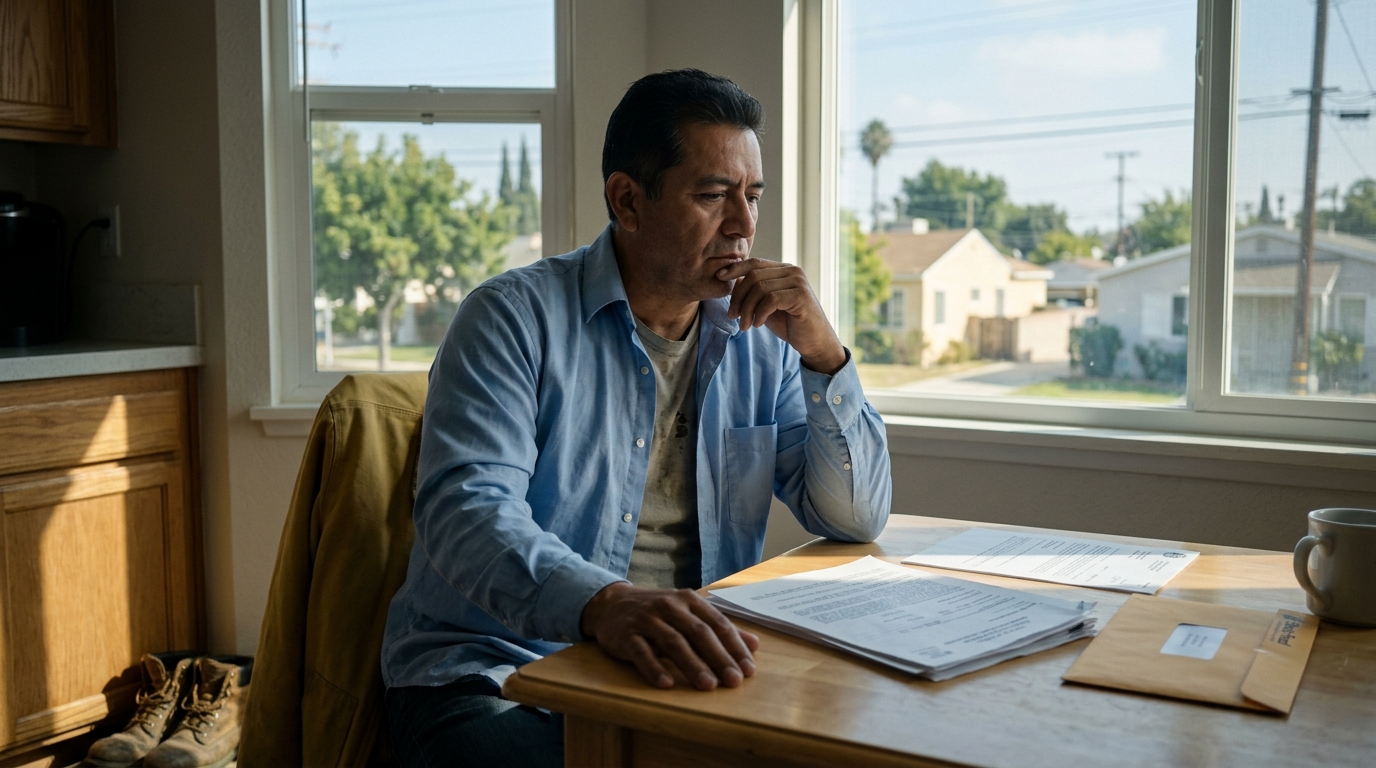
A sober, detailed guide on how to challenge a denied workers’ compensation claim in California, navigate the QME process, and file with the Workers’ Compensation Appeals Board.
“Denied” can mean several different things in a workers’ compensation file. The administrator may reject the entire injury claim, dispute wage-loss benefits for a particular period, or deny a specific treatment request as medically unnecessary. Those decisions do not all go to the same reviewer.
Start with the actual document, including its attachments and review form. The question is not simply how to “appeal the denial.” It is which decision was made, why, and which process can address it. A medical-necessity issue should not be sent down the QME route just because another issue in the claim needs a medical-legal evaluation.
Understanding Your California Notice of Denial
Read the scope and reason before choosing a response. Under DWC notice rule 9812, liability denials and temporary disability notices have specified explanation requirements. Keep all pages, the envelope or delivery information, and any medical report supplied with the notice.
- Claim liability: The administrator says the injury is not covered, for example because work causation or employee status is disputed.
- A benefit period: It disputes temporary disability for particular dates, which may require work-status and wage evidence.
- A treatment request: A UR decision says a specified service is not medically necessary. That is not necessarily a rejection of the entire injury.
For example, acceptance of a back injury plus a UR denial of additional therapy is different from a denial that any back injury arose from work. Mark the exact service, condition or period involved. Do not describe every adverse medical letter as a complete claim denial.
Steps to Challenge a Denied Claim
The DWC denied-claim guide distinguishes medical-legal evaluation from review of a particular treatment. More than one process may be needed where separate issues coexist.
1. Reviewing the Denial Notice and Deadlines
Identify who issued the decision, its date, the reason and the enclosed response instructions. A document titled “denial” and a doctor’s report can address different issues. Ask which deadline applies to each; do not assume a single 30-day period controls every denial or that an informal call preserves review rights.
2. Separating a QME Question From an IMR Question
A Qualified Medical Evaluator (QME) may address disputed work causation, disability and other medical-legal issues. If represented, an Agreed Medical Evaluator (AME) may be used by agreement. Selection rules depend on the circumstances; an insurer’s chosen examiner is not automatically your QME.
If UR denies, delays or modifies a treating doctor’s request because it is not medically necessary, IMR is the review process for that medical-necessity decision. DWC specifically warns that the DWC IMR-1 application is different from an MPN-IMR form. A QME report on causation is not a replacement for a timely IMR request. Other treatment disputes require assessment of the actual reason and procedure.
3. Filing an Application for Adjudication of Claim
An Application opens a WCAB case; it is different from submitting the DWC 1 to the employer. The DWC guide explains filing, serving the other parties and retaining the ADJ case-number notice. The WCAB is the state workers’ compensation tribunal, not the civil superior court. Obtain guidance on the appropriate office and limitation period.
4. Participating in a Mandatory Settlement Conference
A Declaration of Readiness requests a hearing after an Application is on file. DWC describes an MSC, where unresolved issues and the trial record are addressed. That is not a promise that every dispute follows the same hearing sequence, nor that a hearing request replaces the separate medical-necessity review procedure.
Issues Arising from Employer Failure to Report Injuries
Missing claim paperwork can create a second issue alongside the denial. The DWC filing guide says the employer must give or mail the claim form within one working day after learning of the injury or illness. If it does not, the worker can obtain the form from DWC and seek I&A help. Keep proof of returning the completed employee section to the employer.
A DWC 1 delivery question and an Application filing question should not be merged. Preserve each document and receipt. Employer failure to act does not automatically establish every benefit, but do not assume it eliminates your ability to pursue the claim either. A disputed notice defense also requires review of employer knowledge and possible prejudice, not only the number of days on a calendar.
Navigating Administrative Hearings and Procedures
Prepare a separate decision note for each dispute: The document, what was denied, the stated reason, the review instructions and what evidence addresses that reason. For a therapy denial, that may be the doctor’s actual request and UR rationale. For work causation, it may be the injury history and medical explanation. For a disputed disability period, it may be the work-status report, offered duties and earnings.
Two decisions can arrive in one envelope. Keep them together as received, but identify them separately for review. Ask whether a step taken on one issue also addresses the other; do not assume it does. This prevents a causation evaluation from being mistaken for an answer to an approaching treatment-review deadline.
An unrepresented worker can contact the DWC Information and Assistance Unit for procedural help. Mishra X can assess the separate decisions and proposed scope of representation. Reading this guide or requesting a consultation does not file an objection.
Frequently Asked Questions
Does a Notice of Denial mean a California workers’ comp claim is permanently closed?
Not necessarily. First identify whether it rejects the entire claim, a benefit period or a treatment request. The available challenge and deadline depend on that decision; an administrator’s position is not itself a final WCAB judgment.
What role does a Qualified Medical Evaluator play in a denied claim?
A QME may address disputed medical-legal issues such as work causation or disability. It is not the substitute appeal route for a UR decision based on the medical necessity of a specific treatment; that issue may require IMR.
How does filing an Application for Adjudication of Claim impact a case?
It opens a WCAB case and provides an ADJ case number for proceedings. It is different from the DWC 1 and does not automatically resolve a separate IMR issue or satisfy every review deadline.
The Bottom Line
Bring the complete denial package, treatment request or disputed work-status report, DWC 1 delivery proof and any existing ADJ notice. Tell us which decision needs an immediate response. A focused consultation can identify the correct route before time is spent preparing evidence for the wrong question.
Evaluate your denied workers’ compensation claim
Mishra X Trial Lawyers can review your Notice of Denial, medical records, DWC-1 filing proof, and QME correspondence to assess administrative appeal steps under California law. Learn more about our related services.
Call (949) 343-9735 or email office@mishrax.com to schedule a consultation.