Ayala-Morales: S.D. Indiana Denies Automatic Release Based on a Post-Arrest U-Visa Filing
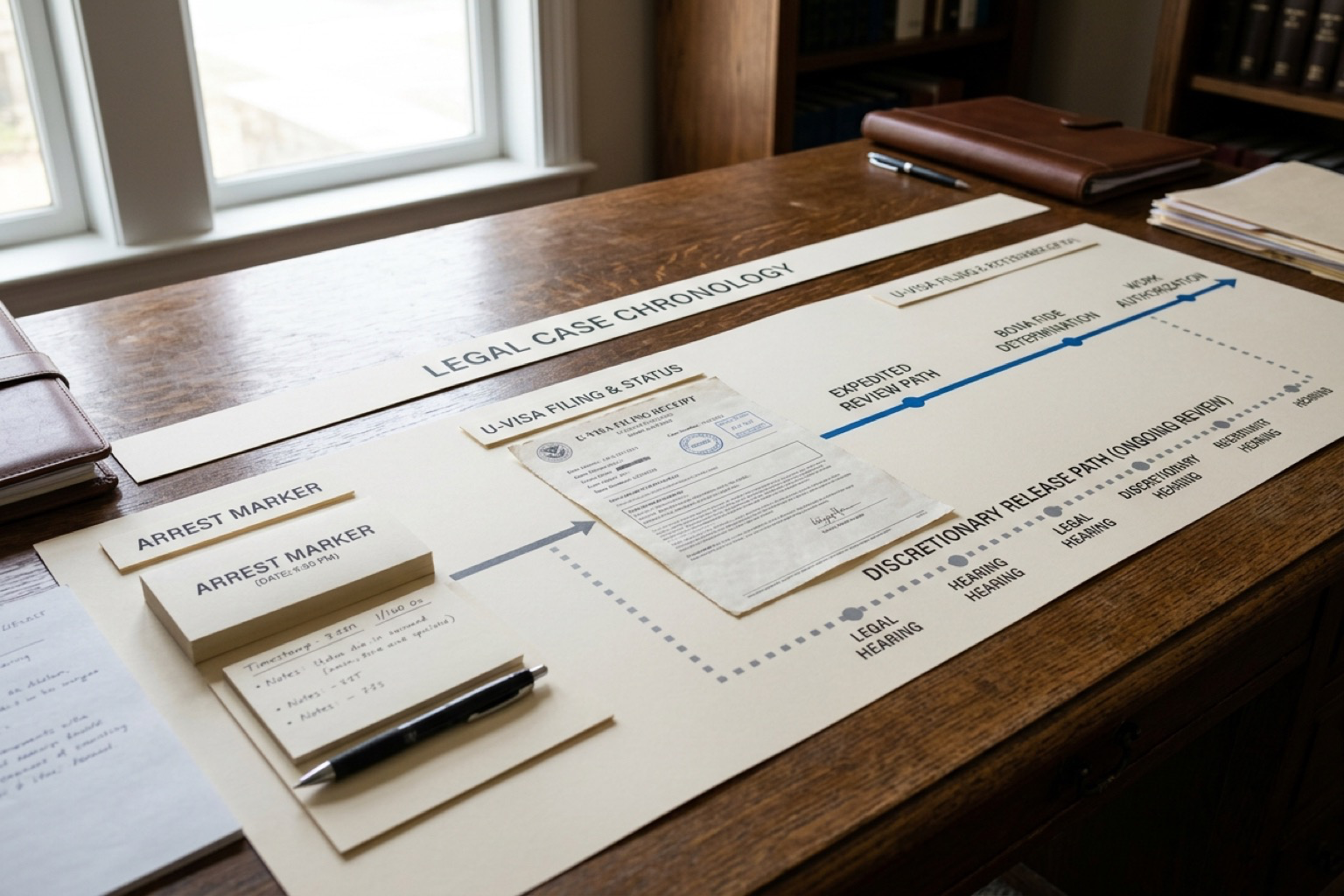
Ayala-Morales v. Olson, 2026 WL 1781976 (S.D. Ind. June 22, 2026), denied habeas relief to a detainee who relied on class injunctions. His wife applied for a U visa in 2025, and his own claimed protection arose after ICE arrested him and reinstated an earlier removal order.
The class injunction at issue came from Immigration Ctr. for Women & Children v. Noem, 351 F.R.D. 324 (C.D. Cal. 2026) (ICWC). Its May 20 preliminary order provisionally certified three classes and stayed specified 2025 guidance and enforcement policies for people meeting the order’s definitions. The Pending Petition Class included certain principal or derivative U- or T-visa applicants and VAWA self-petitioners whom ICE detained or sought to detain. Class membership identified the policy protection at issue; it did not itself prescribe release in every individual case.
The court assumed class membership
For analysis, the court assumed Ayala-Morales could fit ICWC’s Pending Petition Class. It then asked what the preliminary injunction actually restored rather than treating membership as an automatic release order.
Pre-2025 policy controlled the remedy
ICWC stayed the 2025 presumption-of-enforcement policy and its rescission of prior guidance. Under the earlier framework, ICE generally refrained from enforcement when it knew of a pending petition and sought expedited adjudication when a person in custody later presented one. Release remained discretionary.
Timing defeated the arrest theory
The U-visa filing was not pending when ICE arrested him. The court therefore found no violation of a policy protecting known applicants at the time of arrest. A later filing could support expedited agency review but did not itself compel release.
Disposition and limit
The court denied the Section 2241 petition and dismissed the case with prejudice. The order did not decide ultimate U-visa eligibility; it interpreted the provisional class relief and the restored policy on this chronology.
Administrative-record lesson
Record exactly when ICE learned of the petition, when the filing became complete, and whether an expedited-adjudication request followed detention. Those dates can determine what the earlier policy required.
Review the humanitarian-relief and detention records together
Mishra X Trial Lawyers can help assess the available procedure using your specific documents. Call (949) 343-9735 or email office@mishrax.com.